
Remote Work Secrets - Edition #42
What's Inside:
Why your AI cover letter reads exactly like everyone else's. The tool never met you, so it can't write you.
How to turn ChatGPT into your interviewer instead of your ghostwriter. Same software, completely different outcome.
The one question that catches an inflated claim before you hit send. Could you defend that line out loud in an interview?
This Week's Remote Roles. Real remote roles for Senior Professionals.
Paste a job posting into ChatGPT, add your resume, ask for a cover letter. Thirty seconds later you have something clean and confident. Now read it again and try to find the sentence only you could have written.
Usually there isn't one.
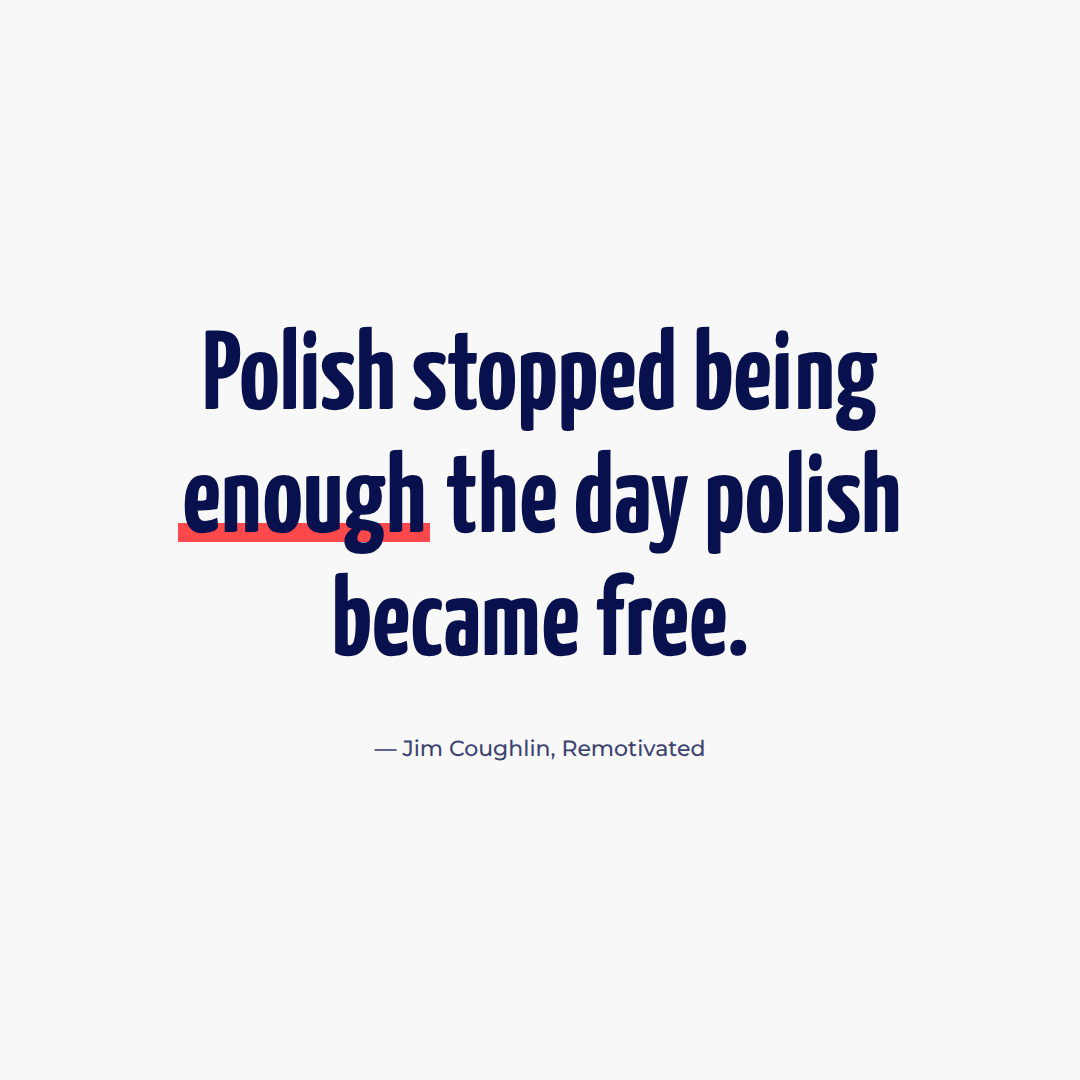
That gap matters because of the math on the other side of the screen. In 2024, fully remote roles were about 8% of US job postings on LinkedIn but drew around 40% of applications there (LinkedIn Economic Graph). And in May 2026, the applicant tracking system Ashby reported that applications per hire tripled between 2021 and 2024 and stayed above 300 through 2025, and that talent teams are seeing more AI-generated applications in the pile. Recruiters scan for a reason to keep reading, and polish stopped being enough the day polish became free.
For remote roles, the bar sits higher still. Remote hiring runs on writing, and before anyone meets you on a video call, your application is your first work sample.
And yes, resumes, CVs and application forms are not the easiest place to show off your writing skills… but that’s what makes getting it right so powerful too.
Generic In, Generic Out
A language model has never met you. It has never watched you untangle a project that was going sideways. It doesn't know that you taught yourself data analysis because you got tired of waiting for the analytics team, or why teammates route the awkward client conversation to you. Hand it a job ad and a list of bullet points, and it produces the most statistically plausible application for that role. The same one it's writing for everyone else with similar bullet points.
A recruiter told me recently about an application that arrived with a broken attachment. Normally they'd email the candidate and ask for a resubmit. This time they didn't. The application was recognizably from an AI auto-apply tool, and nobody writes back to a tool. Auto-apply software sells exactly this trade: hundreds of applications, none of them carrying a person. That candidate paid for a worse outcome than a free, hand-sent application would have gotten them.
What makes a hiring manager stop scanning is a through-line: how you approach work, how you learn, where you have a point of view. That story is source material only you hold.
Make The AI Interview You
If you reached for AI somewhere around your fiftieth application, no judgment here. The direction is the fixable part: pointed at volume, the tool writes the applications recruiters have learned to skip; pointed at your material, it gives you the speed and the story at once. Instead of something like "write me a cover letter," check out Remotivated's free job-hunt prompt library. It's got the exact prompt you need, plus ones for company research and interview prep.
Do this once. Save the transcript. For most applications, that saved material plus a quick tailoring pass is enough; keep the full treatment for the three or four roles you actually want. And if you can't see your own story right now, because the past few months have been about a team that got cut rather than anything you chose, the interview is the point. Good questions surface material you've stopped noticing about yourself.
This Week's Remote Roles
🎯Fully Remote Jobs (No "Fake Remote" Here):
Run The Truth Pass
AI drafts drift upward, and you're the one who signs off. You skim a draft that reads well, you approve it, and somewhere in that exchange "helped migrate the billing system" came back as "led the migration," while "learning Python" quietly lost the word "learning." Two separate facts, merged into one stronger claim.
So before you send anything, ask one question of every line: could I defend this out loud, in an interview, without flinching? An inflated bullet can cost you an offer weeks later, when someone asks you to walk through a number you never earned. Cut anything that fails the test; what's left is yours.
The Only Work Sample They Have
A remote hiring manager reading your application is asking one question: can I trust this person to deliver without someone checking in every day? A specific story answers it. How you hand work across time zones, what you do when you're blocked at 9pm and nobody's online, how you decide when there's no hallway to ask in. Those show up in an application only you could have written, and they're the first thing to go when jobseekers use AI without a careful system.
This week's article is credited to Jim Coughlin, founder of Remotivated, the job platform where remote means remote. He also writes a newsletter about remote work called Work is a Verb.
Stay Rebellious,
Michelle & The RR Team
P.S. Speaking of humans doing the hiring: our Remote Job Fair is happening in September. Real hiring managers, no bots. Get your ticket here.
This week's newsletter is sponsored by Remotivated, the trust layer for remote work.
"Remote" means something different at every company, and most job boards take that label at face value. Remotivated doesn't. Every employer is hand-screened and earns a REMOTE Score based on real policies and genuinely anonymous employee reviews, and jobs sync straight from company hiring systems, so they land in minutes instead of hours.
Core features are free, always. Pro is just for anyone chasing an extra edge.
